Signs of Rats in Roof
Scratching & Nocturnal Noises
Scratching and scurrying noises emanating from ceiling spaces during nighttime hours indicate active rat movement as these nocturnal rodents forage for food and nesting materials. The sounds differ from possum activity, being lighter, faster, and more erratic with distinctive scratching from claws on timber and metal surfaces. Brisbane homeowners often describe hearing rapid running movements across ceilings, particularly during dusk and dawn periods.
Droppings & Physical Evidence
Rat droppings discovered in roof spaces, along wall edges, in cupboards, or near food storage areas provide definitive evidence of rodent activity and help identify infestation severity. Fresh droppings appear dark, moist, and soft, while older droppings dry out and become grey or dusty. Roof rat droppings are typically 12–13mm long with pointed ends, distinguishing them from mouse droppings which are much smaller.
Gnaw Marks & Structural Damage
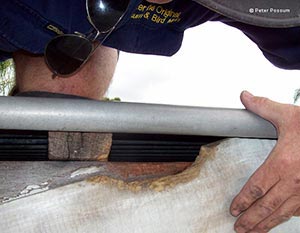
Gnaw marks on electrical wiring, timber structural members, plastic pipes, and stored items reveal rat feeding and nesting behavior that creates fire hazards and structural damage. Rats possess continuously growing incisor teeth requiring constant gnawing to maintain appropriate length. Fresh gnaw marks appear lighter in color with clean edges, while older damage darkens and accumulates dust over time.
Grease Rub Marks & Travel Routes
Greasy rub marks along walls, beams, and travel routes appear as dark smudges where rats repeatedly brush against surfaces while navigating their territories. Rats follow established pathways between nesting and feeding areas, depositing body oils and dirt that create visible tracks. These marks concentrate near entry points and along structural elements that rats use as highways.
Ammonia Odors
Strong ammonia-like odors permeating from roof spaces, wall cavities, or subfloor areas signal rat urine accumulation in nesting or high-traffic zones. The smell intensifies in enclosed spaces and during warmer weather when bacterial decomposition accelerates. Persistent unpleasant odors should never be ignored as they indicate established rat populations requiring professional intervention.
Nesting Materials
Nesting materials including shredded insulation, paper, fabric, and vegetation discovered in roof corners, wall cavities, or storage areas confirm rats are breeding within your property. Rats construct nests in secluded, undisturbed locations where they raise offspring. Large nests or multiple nesting sites indicate established breeding populations requiring comprehensive control programs.
Daytime Sightings
Physical rat sightings during daytime hours suggest high population density forcing some individuals to forage during suboptimal periods due to resource competition. Rats strongly prefer nocturnal activity, so daytime sightings indicate serious infestation levels. Immediate professional assessment becomes critical when rats abandon typical hiding behavior.

Dangers of Rodent Infestation
Disease Transmission Risks
Disease transmission risks escalate dramatically with rat infestations as these rodents carry pathogens causing leptospirosis, salmonellosis, rat-bite fever, and hantavirus among other serious illnesses. Rats contaminate food preparation areas, storage spaces, and living environments through droppings, urine, and saliva. Children, elderly individuals, and immunocompromised people face heightened vulnerability to rodent-borne diseases present in Brisbane homes.
Electrical Fire Hazards
Electrical fire hazards multiply when rats gnaw through cable insulation exposing live wires that can spark, short-circuit, and ignite surrounding materials including timber framing and insulation. Insurance assessors routinely document rat damage as contributing factors in residential fires throughout Brisbane. The financial and safety implications of electrical damage caused by rats extend far beyond pest control costs.
Structural Damage
Structural damage accumulates as rats gnaw timber framing, roof materials, wall linings, and insulation to create pathways and expand nesting areas. Over time, this damage compromises building integrity, reduces insulation effectiveness, and creates moisture entry points that accelerate deterioration. Repair costs for rat-inflicted structural damage often exceed thousands of dollars when infestations remain unaddressed.
Food Contamination
Food contamination occurs when rats access pantries, cupboards, and food storage areas, leaving droppings, urine, hair, and bacteria on surfaces and within packaging. Even sealed food containers become compromised when rats gnaw through cardboard, plastic, and thin metal packaging. The health department requires disposal of contaminated food items, creating significant financial losses beyond control costs.
Allergen Exposure
Allergen exposure increases in rat-infested homes as rodent dander, droppings, and urine proteins trigger respiratory problems, asthma attacks, and allergic reactions in sensitive individuals. Indoor air quality deteriorates when rat waste becomes airborne through ventilation systems or physical disturbance. Brisbane families with existing respiratory conditions face particular risks from prolonged rodent allergen exposure.
Property Value Depreciation
Property value depreciation results from rat infestation history, odor persistence, visible damage, and required disclosure obligations during property sales. Real estate agents confirm that rodent problems significantly impact buyer perception and negotiating power. Professional remediation documentation becomes essential for protecting property values and ensuring successful transactions.
Psychological Stress
Psychological stress affects homeowners dealing with rat infestations, creating anxiety about health risks, sleep disruption from nocturnal activity, and embarrassment about perceived cleanliness implications. The emotional toll of living with rats extends beyond physical damage to impact mental wellbeing and family dynamics. Professional elimination of rat problems restores peace of mind and household harmony.
3. Rat & Rodent Removal Brisbane
Our Rat Control Treatments
Comprehensive Property Inspection
Comprehensive property inspection identifies rat species present, population estimates, entry points, nesting locations, and environmental factors supporting infestation in Brisbane properties. Licensed technicians examine roof voids, subfloors, wall cavities, and exterior perimeters to develop accurate treatment plans. This thorough assessment ensures targeted interventions address specific conditions rather than applying generic treatments.
Strategic Rodenticide Placement
Strategic rodenticide placement in tamper-resistant bait stations protects children, pets, and non-target wildlife while delivering lethal doses to foraging rats. Professional-grade rodenticides feature anticoagulant compounds that prevent bait shyness and ensure population elimination. Station placement follows rat travel patterns, feeding preferences, and security requirements mandated by Australian regulations.
Mechanical Trapping Programs
Mechanical trapping programs using snap traps, multi-catch devices, and specialized roof rat traps complement baiting strategies for comprehensive population control. Trapping provides immediate results, removes carcasses before decomposition odors develop, and suits situations where rodenticides are contraindicated. Trap selection, placement, and monitoring require professional expertise for maximum effectiveness.
Integrated Pest Management
Integrated pest management principles guide treatment selection, combining chemical, mechanical, and exclusion methods to achieve lasting rat control while minimizing environmental impact. IPM approaches prioritize non-chemical methods where feasible and employ rodenticides judiciously within comprehensive management programs. This sustainable methodology aligns with modern pest control best practices.
Follow-Up Inspections
Follow-up inspections and treatment adjustments ensure initial interventions achieve desired results and adapt to changing conditions or discovered vulnerabilities. Rat control rarely succeeds through single-visit treatments given rodent biology and environmental complexity. Professional programs include multiple service visits scheduled according to treatment type and infestation severity.
Carcass Removal
Carcass removal services prevent decomposition odors and secondary pest problems when rats die within inaccessible wall cavities or roof spaces after consuming rodenticides. Technicians locate and extract deceased rats using specialized equipment and knowledge of typical dying locations. This service component prevents the unpleasant consequences of successful baiting programs.
Treatment Documentation
Treatment documentation and compliance records satisfy council requirements, insurance claims, rental property obligations, and future pest management continuity. Professional services maintain detailed records of products used, application locations, quantities applied, and treatment outcomes. This documentation protects property owners legally and supports ongoing pest management planning.
Entry Point Sealing
Building Envelope Assessment
External building envelope assessment identifies all current and potential rat entry points including gaps under roof tiles, damaged eaves, deteriorated weatherboards, and utility penetrations. Rats exploit remarkably small openings, squeezing through gaps as small as 15mm diameter. Comprehensive sealing requires identifying vulnerabilities invisible to untrained eyes.
Roof-to-Wall Junctions
Roof-to-wall junctions receive particular attention as these critical interfaces frequently develop gaps allowing rat access to roof cavities in Brisbane homes. Thermal expansion, building settlement, and construction defects create openings at eaves and barge boards. Professional sealing addresses these vulnerable areas using appropriate materials and techniques.
Weep Hole Screening
Weep hole screening prevents rat entry through essential drainage openings in cavity brick walls while maintaining water egress functionality critical for building performance. Standard weep hole covers deteriorate or fall out over time, creating pest access points. Stainless steel mesh screening installed by professionals provides permanent protection without compromising drainage.
Utility Penetration Sealing
Utility penetration sealing around pipes, cables, air conditioning lines, and exhaust vents eliminates entry points frequently overlooked during construction or subsequent modifications. Rats follow utility lines and exploit loose-fitting penetrations to access building interiors. Expanding foam, metal flashing, and mesh barriers create durable exclusion when properly installed.
Subfloor Ventilation Maintenance
Subfloor ventilation maintenance balances necessary airflow with rodent exclusion through appropriately sized mesh covering that prevents rat access while maintaining structural timber health. Blocked or inadequate ventilation creates moisture problems, while oversized openings allow pest entry. Professional solutions optimize both building performance and pest exclusion.
Door & Window Gap Sealing
Door and window gap sealing addresses threshold gaps, damaged weather stripping, and deteriorated seals that permit rat entry particularly in older Brisbane properties. Rats exploit surprisingly small gaps under doors and around window frames. Brush strips, threshold seals, and frame repairs eliminate these access points.
Vegetation Management
Tree and vegetation management recommendations identify branches overhanging roofs, climbing plants against walls, and dense shrubbery providing rat highways to building exteriors. Brisbane's lush landscaping often facilitates rat access to upper building levels. Strategic pruning and vegetation control complement physical exclusion measures.
Safe Baiting Systems
Tamper-Resistant Bait Stations
Tamper-resistant bait stations engineered to Australian standards prevent accidental exposure of children, pets, and wildlife to rodenticides while allowing target rat access. These lockable stations feature internal baffles requiring specific entry patterns that rats navigate easily but larger animals cannot. Professional-grade stations exceed hardware store alternatives in security and effectiveness.
Rodenticide Selection
Rodenticide selection considers rat species, environmental conditions, non-target risk profiles, and regulatory requirements governing use in Brisbane residential settings. Modern anticoagulant baits include second-generation compounds requiring single feedings for lethal effect. Product registration, label compliance, and appropriate application rates ensure safe, effective use.
Strategic Placement Protocols
Strategic placement protocols position bait stations along established rat runs, near entry points, and in protected locations where rats feel secure feeding. Station placement follows rat psychology and territorial behavior rather than human convenience. Professional technicians understand optimal positioning that maximizes consumption while maintaining safety.
Consumption Monitoring
Consumption monitoring through regular station inspections tracks bait take rates indicating treatment effectiveness and remaining population levels. Consistent heavy feeding suggests active infestations requiring continued treatment, while declining consumption indicates population reduction. Data-driven monitoring informs treatment continuation or modification decisions.
Resistance Management
Resistance management protocols prevent rodent populations developing tolerance to specific active ingredients through appropriate product rotation and application strategies. Some Australian rat populations exhibit resistance to first-generation anticoagulants requiring professional knowledge of effective alternatives. Proper resistance management maintains long-term treatment effectiveness.
Environmental Responsibility
Environmental responsibility guides application quantities, placement locations, and product selection minimizing impacts on non-target species while achieving rat control objectives. Professional pest controllers balance efficacy with environmental stewardship, applying minimum effective quantities in secure locations. This responsible approach protects Brisbane's urban ecology.
Locked Station Security
Locked station security prevents tampering, unauthorized access, and product theft ensuring controlled substances remain secure throughout treatment periods. Stations are anchored, locked, and mapped for reliable retrieval and monitoring. Security protocols satisfy regulatory requirements and protect public safety.
Ongoing Rodent Maintenance
Quarterly Inspection Programs
Quarterly inspection programs monitor for renewed rat activity, identify new entry points, and assess efficacy of previous exclusion works in preventing re-infestation. Rats continually probe building exteriors seeking entry opportunities, particularly as populations shift seasonally. Regular professional monitoring detects problems before they escalate into full infestations.
Seasonal Treatment Adjustments
Seasonal treatment adjustments address changing rat behavior patterns, breeding cycles, and environmental factors influencing infestation pressure throughout Brisbane's subtropical year. Autumn and spring typically see increased rat activity as food availability and nesting requirements change. Proactive seasonal treatments prevent population explosions.
Bait Station Maintenance
Bait station maintenance includes replenishment, cleaning, relocation based on activity patterns, and infrastructure replacement when stations deteriorate from weather exposure. Effective maintenance programs keep stations attractive to rats while maintaining security and safety standards. Neglected stations become ineffective and potentially hazardous.
Exclusion Integrity Reviews
Exclusion integrity reviews verify previously sealed entry points remain secure and identify new vulnerabilities developed through building wear, maintenance activities, or environmental factors. Buildings continually change through renovation, deterioration, and repair creating new pest access possibilities. Annual exclusion audits maintain protection.
Early Warning Systems
Early warning systems detect initial signs of renewed rat activity allowing rapid intervention before populations establish requiring extensive treatments. Professional technicians recognize subtle indicators invisible to property owners including fresh rub marks, scattered droppings, and minor gnaw damage. Quick response to early warnings prevents major problems.
Documentation & Reporting
Documentation and reporting provide property owners with treatment records, activity trends, and recommendations for reducing infestation risks through building maintenance or environmental modifications. Professional reports support insurance claims, rental property compliance, and informed decision-making about property improvements. Comprehensive records demonstrate due diligence.
Integrated Long-Term Approaches
Integrated approaches combining professional treatments with property owner actions including food storage improvements, waste management upgrades, and landscaping modifications create sustainable long-term rat control. Pest management succeeds best when professional interventions complement responsible property management practices. Education and partnership drive lasting results.
Book Rat Control Today
Rapid Response Services
Rapid response services address urgent rat control situations including active infestations causing immediate health concerns, property damage, or severe distress to Brisbane homeowners. Emergency pest control teams mobilize quickly to contain serious situations and implement immediate population reduction measures. Same-day service availability provides relief when problems cannot wait.
Free Property Assessments
Free property assessments with detailed treatment quotations allow homeowners to understand infestation severity, recommended solutions, and associated costs before committing to services. Transparent pricing prevents surprise expenses and enables informed decision-making about treatment options. Written quotes provide documentation for budgeting and approval processes.
Flexible Scheduling
Flexible scheduling including evening and weekend appointments accommodates working families unable to arrange daytime access for pest control services. Rat treatments often require interior property access for roof void inspections and bait station placement. Convenient scheduling ensures homeowners can participate in assessment and treatment processes.
Licensed Pest Control Technicians
Licensed pest control technicians carry appropriate qualifications, insurance coverage, and product application permits protecting property owners from liability and ensuring regulatory compliance. Queensland legislation requires specific licensing for commercial pest control including rodenticide application. Verification of credentials protects homeowners legally and ensures qualified service delivery.
Comprehensive Service Packages
Comprehensive service packages combining treatment, exclusion, and ongoing monitoring deliver complete rat control solutions rather than temporary population reduction requiring repeated interventions. Bundled services ensure consistent quality across all aspects of rodent management and provide better value than piecemeal approaches. Single-source accountability simplifies the customer experience.
Warranty Coverage
Warranty coverage on exclusion works guarantees sealed entry points remain effective against rat intrusion for specified periods following treatment completion. Quality workmanship warranties demonstrate confidence in service delivery and protect customer investments. Clear warranty terms prevent misunderstandings about coverage and claims processes.
Customer Testimonials
Customer testimonials and online reviews from Brisbane residents provide social proof of service quality, effectiveness, and professionalism achieved for other property owners facing similar rat problems. Reputable pest controllers maintain strong online presence with verified customer feedback across multiple platforms. Review analysis offers insights into real customer experiences beyond marketing claims.